

Organizing the Resistance: What it is. What it isn't.
And why it must be first and foremost.

Regimes do not fear opinions; they fear disruptions. A regime‑threatening opposition has the capacity to turn moral disagreement into material pressure—strikes, slowdowns, boycotts that hit supply chains, public sector non‑cooperation that snarls up enforcement. In the U.S. context, that means rebuilding labor power and treating unions and professional associations as part of the resistance. It means using leverage where it’s concentrated: logistics ports, major metro transit systems, health care and tech infrastructure.
If those sectors can coordinate even brief, symbolic disruptions around abuses such as mass deportations, political prosecutions and federalized crackdowns, then we are building critical mass. - Mark Mansour, What Will it Take to Get Americans to Rise Up Against This Regime?
It’s settled then, right? We know now we’re at a point where if we’re ever going to get out from under this crazy all-too-surreal reality we’re going to need to build the kind of resistance that feels permanent. Marching and protesting isn’t resistance. Writing and singing and speechifying isn’t resistance. None of it hurts the other side, which is the only effective goal. They have to feel the pain and so far they’re not suffering. They’re still in the catbird seat thumbing their noses at us as we try to find openings to their vulnerable places.
They’re not afraid of us. They operate out in the open, projecting their every move. They taunt us. They threaten us. They do the things they’ve promised to do, daring us to do something about it, because they know we can’t.
But are we that helpless? I think about the tactics of the UAW and other big unions during the days when union members were regularly beaten for attempting to give workers a more equitable share of the money the corporations hauled in, for demanding more power over their own lives, for expecting their hard work would be dignified with the rewards that mattered. It took blood, sweat, and years of abuse before they gained strength, and for many years they won. Until they lost again when Reagan began dismantling American factories in order to stop blue collar workers from sharing the wealth he and his cabal felt only the wealthy deserved.
The unions started from nothing, with no guarantees that any of their tactics would work, but they did it through stubborn resistance (strikes) and tough insistence (a seat at the table) and companies began to make concessions, not because they were afraid of them but because membership numbers grew to massive proportions—large enough to cause work stoppages that could make them lose millions of dollars if the resistance went on long enough.
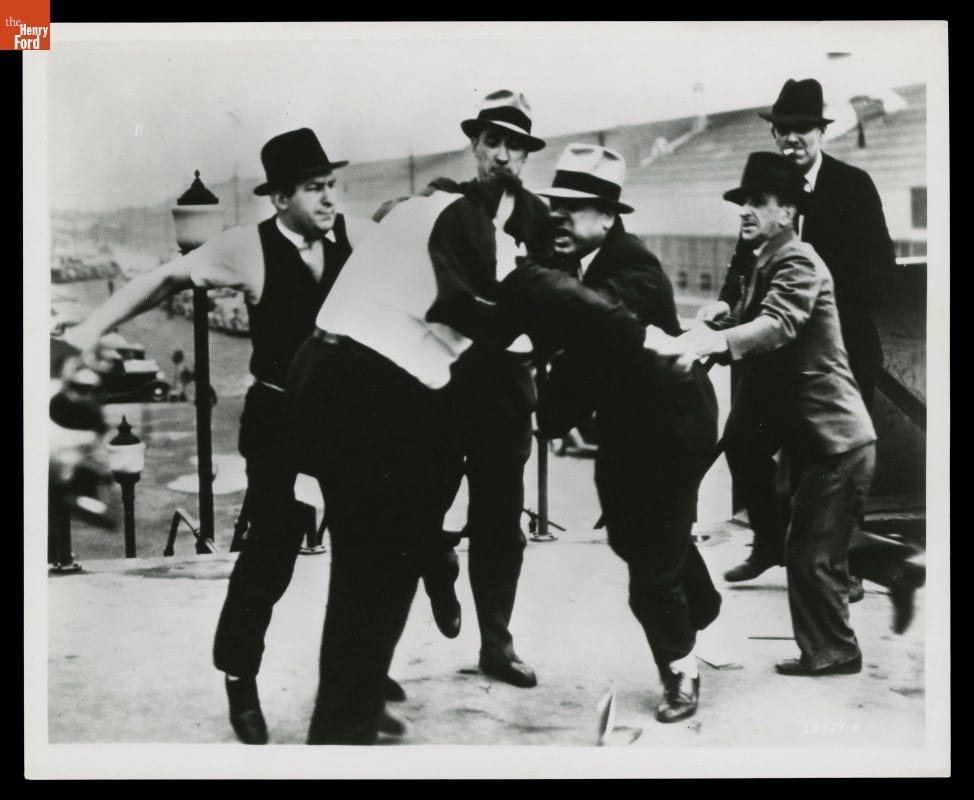
“Labor organizers are the worst thing that have ever struck the Earth”.
Henry Ford, 1937
Every union member hated the idea of strikes. During those early days before unions began using part of their dues as temporary income, every striking worker knew there would be no money coming in while they were off. They had to do it and they knew it. There was real pain involved with every bit of resistance, and for those many years before Reagan, when factories were churning out American products, thanks to those millions of workers on the assembly lines, the unions stayed strong because labor stayed together in solidarity. Union wages were high. Retirements and benefits packages rewarded workers long after they’d left their employment. The middle class, mainly made up of blue-collar workers, was vibrant and strong. It worked as long as it worked.
During the Civil Rights battles, the same thing was true—there would be sacrifices that would make the struggle worthwhile—but then it was violence that was the real threat. The fear had to be paralyzing, yet thousands of men and women gave it their all to end Jim Crow, demanding that the vicious South, showing no signs of ever giving up their white power, must finally ease off and learn to live with their Black neighbors.
The idea was so novel, so outrageous, it took a while for presidents, politicians, and the general public to accept that there was even a chance of that ever happening. But it did. We give deserved credit to Martin Luther King, who was surely the catalyst—he had the remarkable ability to reach out and touch everyone who wanted to see justice served—but it took crowds of resisters doing everything imaginable to get it done. And to keep at it, even when it looked like the dark side was going to win.
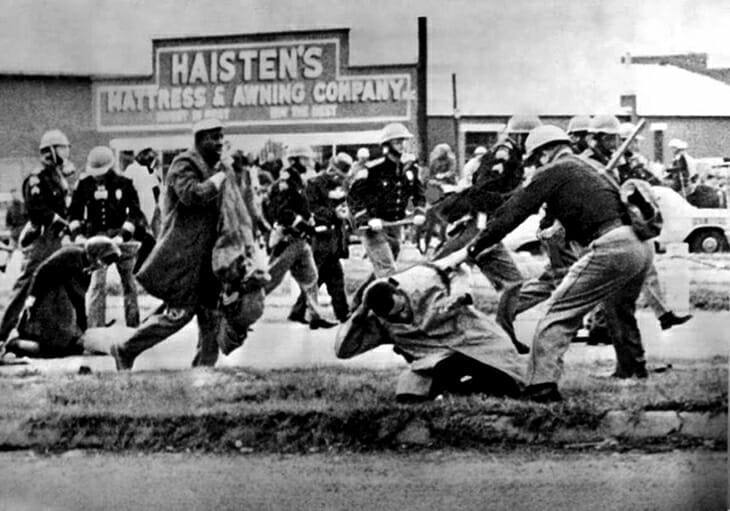
This is where we are now. Back at it. Any past successes are fading fast. Even with our doubts made real as we watch events unfold, as we watch our protections and our rights getting stolen away, as we see our public properties being treated as somebody else’s garbage, as we learn that our people are dying while we’re still trying to figure out how to save them, we mainly sit helplessly by, sending out what so far have turned out to be weak signals, waiting for someone to save us.
We have to accept that we are the resistance. We have the capacity to be the resistance. We are endowed by those who came before us, those who saw the struggles and met the needs, not because they were braver but because they saw they had no choice.
We have no choice. We must organize. We must find our leaders and give them cover. We must actively, collectively, courageously organize.
There will always be a need for resistance. We are the resistance.
Like it or not, we are the resistance.
Further reading:
On Echo Chambers, 'Our side', and Preaching to the Choir.

Our country is in a fine mess, I don’t have to tell you. I don’t even have to tell you who put us here. You know, because we’ve talked about it many times and for many years. For so many years you would think we were tired of it by now. And some of us are. But the rest of us are not, and we’re here. On a mission. Because th…
Ongoing List of Writers in the War Against Fascism

Here are some of the people we can count on to bring us news, background information, inspiration…whatever we’re going to need in the days ahead as we fight the Trump regime for the soul of our country.

I’m here for the long haul and everything I share here is shared without paywalls or exclusions because it’s important enough to me to want to include everyone. If any of this resonates, you can help by sharing this, by poking that little heart button, or you can help to support my work by becoming a paid subscriber ($5/month or $50/year). If you don’t want to commit to that kind of relationship, you can tip any amount at any time at Ko-Fi or at Paypal. Thank you!
If you would prefer to remain on the free list, I only ask that you please share any of my pieces with those who might want to join our community and help it to grow. It all helps.

Ramona, you couldn’t have picked a more apt excerpt. At this moment, we cannot retreat into comfort and apathy. We must emerge from our homes and hit them where it hurts: their wallets.
All resistance needs supplies in order to operate. Food, water, medicine, fuel, everything.
We need to form support groups so as to build the necessary infrastructure to ensure this comes to pass.